How to Shop for Shoes Online Without Getting the Fit Wrong
How to Shop for Shoes Online Without Getting the Fit Wrong
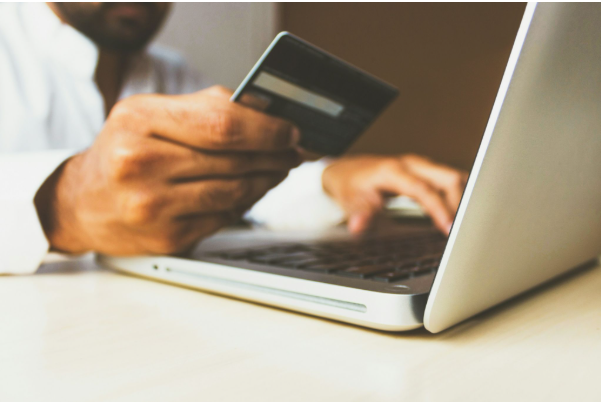
Source: https://unsplash.com/photos/person-using-laptop-computer-holding-card-Q59HmzK38eQ
Ordering shoes online has become second nature for most shoppers, but the fit still feels like a gamble every time. One brand's size 9 can feel like a completely different shoe from another, leaving many customers stuck with boxes destined for return. The good news is that getting it right isn't about luck. It comes down to a handful of habits that experienced online shoppers swear by, from measuring properly to reading the fine print on sizing charts. Why Sizes Rarely Mean the Same Thing Twice The core problem with buying shoes online isn't the shopping experience itself, it's the inconsistency between brands. Materials stretch differently, shoe lasts vary in shape, and even two models from the same company can fit in completely different ways. That inconsistency is why footwear experts consistently recommend starting with an actual measurement rather than relying on memory of a past size. Tracing the outline of each foot on paper, then measuring from heel to the tip of the longest toe, gives a far more reliable baseline than guessing. It's also worth measuring both feet, since it's common for one to be slightly larger than the other, and shoppers should always size for the bigger one.wikihow+1 From there, matching that measurement against a brand's specific size chart, rather than a generic international conversion, makes a noticeable difference. Podiatrists who work with clients on ill-fitting footwear issues often point out that timing matters too, since feet naturally swell throughout the day, and trying on or ordering shoes based on an evening-sized foot tends to produce a better fit than a first-thing-in-the-morning measurement, according to tips for successful online shoe shopping. Reviews are another underused resource. A single comment about a tight toe box or a shoe running small doesn't mean much on its own, but a pattern across dozens of reviews is a strong signal worth trusting, per guidance on testing comfort before buying. Shoppers who skim only the star rating and skip the actual written feedback are missing the most useful part of the listing. Reading Between the Lines of a Product Listing Beyond sizing, the details buried in a product description often reveal more than the marketing copy up top. Material composition, arch support type and the shape of the toe box all affect how a shoe will actually feel once it arrives, not just how it looks in a photo. This becomes especially important for footwear built for specific purposes rather than everyday casual wear. Someone shopping for steel toe protection or slip-resistant soles, for instance, needs to weigh safety features and material durability just as carefully as size, since the wrong fit in a work environment isn't just uncomfortable, it can be a genuine hazard. Buyers browsing categories like Brand House Direct work boots often find that checking sizing notes alongside safety certifications gives a clearer picture than size charts alone. Return policy is the safety net that makes all of this less stressful. Shoppers should always confirm the return window, whether return shipping is free, and what condition the shoes need to be in before sending them back. A generous return policy effectively removes most of the risk from an online shoe purchase, turning what could be an expensive mistake into a simple exchange. There's also a case for starting small when trying a new brand or retailer for the first time. Ordering a lower-cost pair as a test run, rather than committing to an expensive style right away, helps shoppers learn how that brand's sizing runs before investing in pricier options. Technology has made some of this easier too. Many retailers now offer sizing tools that ask a few quick questions about previous shoe brands and sizes to generate a recommendation, which can save a round of trial and error for first-time buyers. None of these steps guarantee a perfect fit every single time. Feet change shape slightly with age, swelling and even the time of day, and no algorithm can fully replace trying a shoe on in person. But between accurate measurements, careful reading of reviews and product details, and a solid return policy as backup, online shoe shopping becomes far less of a gamble and a lot more predictable. For most shoppers, the difference between a satisfying purchase and a frustrating return usually comes down to preparation rather than chance. A few extra minutes spent measuring, reading and comparing before checkout tends to save far more time, and far more hassle, than dealing with an ill-fitting pair after the fact.
About the Author
Sheikh Faizan
Founder & Editor-in-Chief
Founder of MeridianPro, sharing insights on fashion, skincare, tech, and business trends.